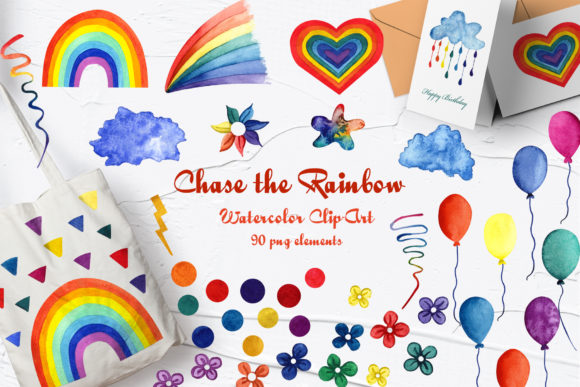
Rainbow Watercolor Clip Art for Decorative Elements
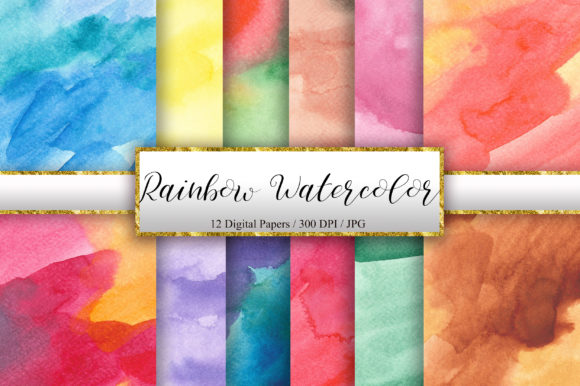
As a digital publisher who has spent years refining the visual identity of multiple content sites, I approach every new graphic design asset with a critical eye. It is not enough for an image to be pretty; it must perform. When I first opened the files for Rainbow Watercolor Clip Art, my immediate impression was one of approachable warmth. In the often sterile world of web design, these assets bring a necessary human touch. The soft bleeding edges and vibrant spectrum create an editorial mood that feels simultaneously playful and artistic, making it an ideal choice for lifestyle blogs, creative entrepreneurs, and educational platforms looking to soften their brand identity.
The true value of this collection lies in its versatility within a real publishing workflow. For bloggers and newsletter creators, establishing a consistent visual hierarchy is paramount to retaining reader attention. These watercolor elements excel as Decorative Elements that guide the eye without overwhelming the text. Imagine using a soft, arched rainbow stroke as a separator between article sections or as a subtle background texture for a pull quote. This level of detail elevates standard blog graphics into something that feels custom-curated, fostering greater reader trust and perceived value.
Elevating Editorial Layouts and Website Headers
In terms of editorial design, the application of Rainbow Watercolor Clip Art is vast. I tested these assets specifically for website header concepts and category thumbnails. The organic shapes provide a striking contrast to the rigid grid systems typical of modern WordPress themes. When placed behind a bold sans-serif headline, the watercolor texture adds depth, making the hero images on your homepage feel more inviting. For niche sites focusing on parenting, wellness, or DIY crafts, this aesthetic signals immediately that the content is friendly and accessible.
Furthermore, these assets are invaluable for creating cohesive Pinterest pin designs. Pinterest is a visual search engine where standing out is crucial. By layering these rainbow motifs over high-contrast photography or solid color blocks, you can create pins that stop the scroll. The key here is to ensure the watercolor does not compete with the text overlay. I found that placing the clip art in the corners or as a bottom border allowed the headline to remain legible while still benefiting from the colorful, cheerful branding.
Strategic Use in Digital Products and Lead Magnets
Beyond standard blog posts, this collection shines when applied to digital product creation. If you are an online educator or coach selling a digital guide or eBook, the cover design is your first sales pitch. Incorporating these watercolor elements can make a PDF feel less like a document and more like a premium resource. I successfully mocked up a lead magnet checklist using these graphics as bullet points and section dividers. The result was a downloadable that felt polished and professionally designed, increasing the likelihood of conversion for email sign-ups.
For those utilizing Canva template systems to scale their content production, having a library of pre-made watercolor assets saves hours of design time. You can quickly assemble social media graphics for Instagram stories or Facebook ads that maintain brand consistency. Whether you are promoting an affiliate offer or announcing a new blog post, the recognizable style of the rainbow motif helps build strong brand identity across different platforms.
Performance Considerations and Visual Impact
From a performance standpoint, integrating Rainbow Watercolor Clip Art supports better click-through potential. Users are naturally drawn to color and organic forms. A monochromatic site can feel corporate and cold; introducing these splashes of color creates an emotional connection. However, publishers must be strategic. These assets work best when they support the content, not distract from it. They are perfect for accenting sidebar widgets, decorating newsletter headers, or highlighting key takeaways in long-form articles.
It is important to note where caution is required. While beautiful, heavy watercolor textures can struggle on small mobile thumbnails if the details are too fine. Always test your article thumbnails on a smartphone screen to ensure the rainbow gradients do not turn into a muddy blur. Additionally, avoid using these busy textures behind dense blocks of text. For serious professional niches like legal advice or financial consulting, the playful nature of watercolor might undermine the authority of the content. In those cases, use the assets sparingly, perhaps only in footer graphics or non-essential decorative spots.
Practical Publisher Notes for Implementation
Before deploying these assets on a live, monetized site, there are several technical checks every publisher should perform. First, review the file formats. For web performance, ensure you are using optimized PNGs with transparent backgrounds to keep page load speeds fast. Large, uncompressed images can hurt your SEO rankings. Second, test the contrast. Place the clip art beside various font styles—serif, sans serif, script, and handwritten—to see which combination yields the best readability. I found that a clean, modern sans-serif paired with the organic watercolor created the most balanced look.
Finally, and perhaps most critically, confirm the licensing terms. If you are using these for affiliate marketing or selling them as part of a printable design kit, you must ensure you have a valid commercial license. Many creative marketplaces offer different tiers of usage rights. Never assume a digital download is free for commercial use without reading the fine print. Using unlicensed assets on a revenue-generating blog can lead to significant legal issues.
In conclusion, Rainbow Watercolor Clip Art is a powerful tool for any content creator looking to inject personality into their digital presence. When used with intention, these design assets transform standard layouts into engaging visual experiences. They bridge the gap between professional web design and creative expression, offering a way to make your content feel both polished and deeply human. Whether you are building a media kit, designing a worksheet, or simply sprucing up a blog post, these elements provide the artistic flair needed to stand out in a crowded digital landscape.